Rough Hand Drawn Hearts Graphic Element Review
First Impressions: A Touch of Imperfection
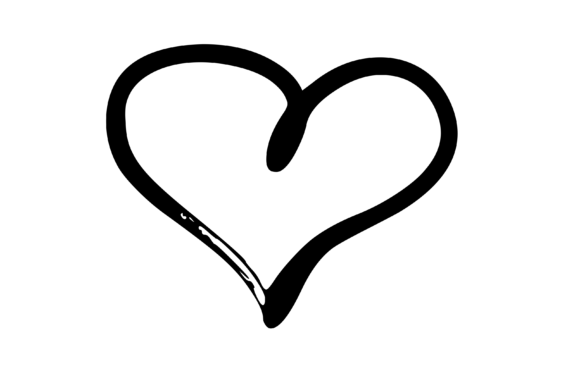
When I first opened the Rough Hand Drawn Hearts Graphic Element, I was struck by its raw, unpolished charm. The design feels like a personal sketch—something you might find on a notebook page or a doodle from a creative session. It’s not perfect, and that’s exactly what makes it appealing. The heart shape is slightly irregular, with uneven edges and a loose, hand-drawn look that adds character. This kind of imperfection can be a powerful visual element in embroidery, especially when aiming for a more artisanal or handmade aesthetic.
The mood created by this graphic is warm, nostalgic, and romantic. It’s ideal for projects that want to evoke emotion without being overly polished. I could see this design working beautifully on a custom embroidered tote bag or as part of a personalized gift set. It has a softness to it that complements both casual and elegant applications.
Real-Life Scenario: Custom Embroidered Tote Bag
Imagine preparing a custom embroidered tote bag for a boutique product line. You need something that stands out but still feels approachable. The Rough Hand Drawn Hearts Graphic Element fits perfectly here. Its handcrafted feel would make the tote look like a one-of-a-kind item rather than a mass-produced piece. When stitched, the rough lines and gentle curves will add depth and texture, making the tote visually engaging.
I envision using this design with a light stitch density to maintain the delicate, almost sketch-like appearance. Choosing a thread color that contrasts with the fabric—like navy blue on white cotton—would help the design pop while keeping the overall look soft and inviting. This graphic would also work well as part of a larger motif, paired with simple text or other small embellishments.
For customers, this kind of detail can elevate the perceived value of the product. It shows care and attention to design, which can build trust and encourage repeat purchases. Especially for Etsy sellers or craft business owners, this design could become a signature element in their collection.
Where This Design Shines
The Rough Hand Drawn Hearts Graphic Element performs exceptionally well in several real-life embroidery scenarios. Here are a few examples:
- Custom Apparel: On sweatshirts, t-shirts, or caps, the design adds a unique touch without overwhelming the garment.
- Baby Clothes: Its gentle, whimsical nature makes it perfect for baby onesies, bibs, or blankets.
- Patches: As an embroidered patch, it works well on jackets, backpacks, or denim items.
- Home Decor: On pillow covers, tea towels, or aprons, the design brings a personal, artistic flair.
- Holiday Gifts: Used in holiday-themed items, it adds warmth and sentimentality.
It’s also a great choice for printable mockups or digital product previews, where the designer wants to showcase the potential of the graphic before finalizing the project. For small shop products or boutique branding, the design offers a distinctive identity that can stand out in competitive markets.
Design Considerations and Limitations
While the Rough Hand Drawn Hearts Graphic Element is versatile, there are some situations where it should be used carefully. For instance, on very small hoop sizes or textured fabrics, the details may not translate well. The same goes for thin or stretchy materials—these can cause distortion during stitching.
If you plan to use it on dark fabric, ensure that the thread colors have enough contrast to remain visible. Also, if the design includes small details or tiny lettering, it might not hold up under frequent washing or on layered garments. In these cases, testing the design on scrap fabric first is essential. Always check the stitch density and confirm whether the design works for both personal projects and commercial use.
Another important step is to review the embroidery file thoroughly, ensuring that all elements are properly separated and scalable. If you're planning to sell finished items or digital products, double-check the licensing terms to avoid any legal issues.
Embroidery Designer Notes
Here are a few practical tips for anyone considering using the Rough Hand Drawn Hearts Graphic Element:
- Test on Scrap Fabric: Before committing to a large project, stitch the design on a sample piece to see how it looks in person.
- Check Thread Color Contrast: Make sure the thread color complements the fabric and doesn’t get lost in the background.
- Review Stitch Density: Adjust the density based on the fabric type to avoid puckering or over-stitching.
- Confirm Hoop Size: Ensure the design fits comfortably within your chosen hoop size to prevent stretching or misalignment.
- Inspect Small Details: Look closely at the design to see if any elements might disappear when stitched.
- Test in Black and White Mockups: This helps identify how the design will appear on different fabric backgrounds.
- Use Proper Stabilizer: Especially for stretchy or thin fabrics, stabilizer can make a big difference in the final result.
- Check Licensing: Always confirm the usage rights before selling finished products or digital assets.
By taking these steps, you’ll ensure that the Rough Hand Drawn Hearts Graphic Element is used effectively and professionally in your embroidery projects.
Final Thoughts: A Versatile Addition to Your Design Toolkit
In conclusion, the Rough Hand Drawn Hearts Graphic Element is a valuable asset for anyone looking to add a personal, artistic touch to their embroidery projects. Whether you're creating handmade products, personalized gifts, or small shop merchandise, this design brings a unique energy that can enhance the visual appeal of your work.
Its versatility, combined with a thoughtful approach to placement and technique, makes it suitable for a wide range of applications—from custom apparel to holiday embroidery. Just remember to test it first, adjust as needed, and always consider the end-use scenario. With the right preparation, this design can become a standout feature in your creative portfolio.